Limb Difference
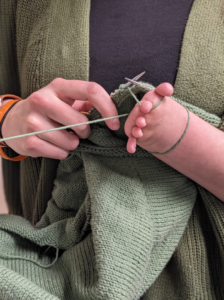
Some children with congenital upper limb differences are born with small finger nubbins. While early removal is sometimes recommended, adults with limb differences often describe unexpected functional uses. Learn the factors families may wish to consider when making this deeply personal decision.
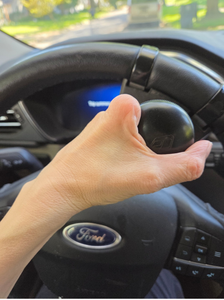
Learning to drive with an upper limb difference isn’t one-size-fits-all. This guide helps families understand adaptive equipment, license restrictions, and the surprising variability in driving instruction and testing—so teens can move forward with confidence and clarity.
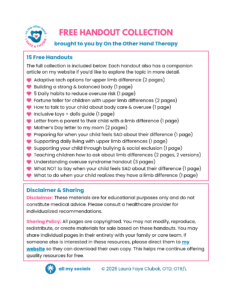
These free handouts offer practical guidance for families raising children with upper limb differences, including support for physical health, emotions, social situations, and everyday life.
Living with an upper limb difference is shaped by everyday experiences: getting dressed, staying warm, building strength, and participating in activities that matter to your child. Here you will find guidance on a variety of topics.
A collection of articles and tools for families raising children with upper limb differences, including a parenting series, language guide, and resource directory.

A parenting series offering thoughtful guidance for families raising children with upper limb differences, including emotional support, advocacy, and long term wellbeing.
Parents raising children with upper limb differences often carry a great deal of responsibility. Tip #1 in this parenting series focuses on building sustainable support and caring for yourself so you can care for your child over the long term.
Parents don’t have to navigate this journey alone. This post explores how families can find meaningful connection, build supportive community, and navigate relationships with clarity and care.
Growing up with an upper limb difference shaped how I understand independence, emotional resilience, bullying, and self-acceptance. These reflections explore what it meant to navigate childhood, school, social dynamics, and identity in a world built for two hands. Some entries are personal, while others examine broader themes around disability, visibility, and belonging.
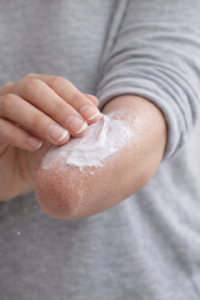
Winter brings predictable challenges for children and adults with partial arms and hands. Dry air, frequent handwashing, and cold temperatures can increase skin cracking, discomfort, and cold sensitivity, especially when circulation differences are present. This guide outlines practical, prevention-based strategies for protecting skin integrity during the winter months