Winter Care for Partial Arms and Hands: Skin, Circulation, and Warmth
Strategies for individuals with congenital upper limb differences and limb loss affecting the hand or forearm
Why partial arms and hands are more affected in winter
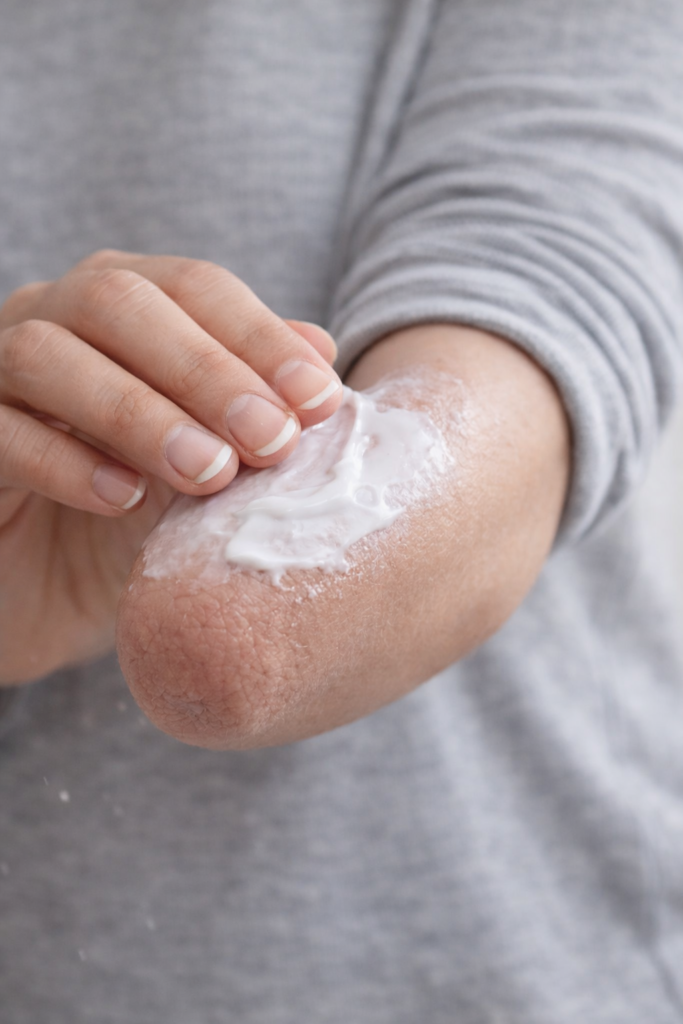
Preventing cracked skin
Handwashing and skin health
Managing cold extremities
Teaching children to protect their bodies
A lifelong skill
Learn more
Winter introduces a predictable set of challenges for children and adults with upper limb differences (ULD). Dry air increases skin cracking, cold temperatures reduce comfort, and increased handwashing often worsens both.
Many families assume these issues are unavoidable, but fortunately they are not.
Why partial arms and hands are more affected in winter
ULD can be associated with circulation differences. Reduced circulation may contribute to colder extremities, slower skin healing, and increased sensitivity to temperature changes.
Body parts with reduced circulation often require proactive protection.
Preventing cracked skin
Consistent moisture is the foundation of winter skin care.
- Apply a thick lotion or ointment nightly to the partial arm or hand
- Use cotton gloves or soft sleeves overnight to seal in moisture
- Use liquid bandage to close painful skin cracks and reduce reopening during use
Many adults with ULD recall improvising solutions before products like liquid bandage existed. Thankfully, today we have safer and more effective options.
Handwashing and skin health
Winter often brings increased handwashing to prevent illness. While necessary, frequent washing strips natural oils from the skin.
A simple strategy helps: dermatologists recommend applying lotion immediately after washing while the skin is still slightly damp.
This single habit can significantly reduce cracking.
Managing cold extremities
Cold sensitivity is common in partial arms and hands.
Helpful strategies include:
- Microwavable stuffed animals or heat packs
- Warm layers that do not restrict movement
- Pre-warming before outdoor transitions
Always monitor temperature carefully, especially if sensation is reduced.
Teaching children to protect their bodies
As children grow, they may resist warm clothing for social reasons. This is a normal developmental stage.
Parents can help by explaining:
- The partial arm or hand may get colder faster
- It may be more vulnerable to frostbite
- Protection supports comfort and long-term health
When children understand the reason behind self care routines, their willingness to protect their skin may improve and they may even carry these habits into adulthood.
A lifelong skill
Winter care for upper limb differences is not just a childhood concern. Many adults report learning these strategies only after years of discomfort.
Early education supports comfort, participation, and long-term skin health across the lifespan.
Learn more
👉 How to Talk to Your Child about Limb Difference Overuse Syndrome
👉 Understanding Upper Limb Difference Overuse Syndrome
👉 The Overachiever Trap
👉 Typing/Keyboarding with an Upper Limb Difference (or two!)
© 2026. Laura Faye Clubok, MS, OTR/L, On The Other Hand Therapy. All rights reserved.