Everyday Living
Living with an upper limb difference is shaped by everyday experiences: getting dressed, staying warm, building strength, and participating in activities that matter to your child. Here you will find guidance on a variety of topics.
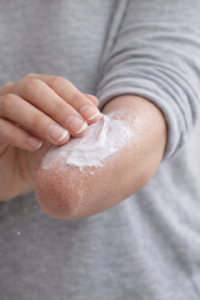
Winter brings predictable challenges for children and adults with partial arms and hands. Dry air, frequent handwashing, and cold temperatures can increase skin cracking, discomfort, and cold sensitivity, especially when circulation differences are present. This guide outlines practical, prevention-based strategies for protecting skin integrity during the winter months
A quick guide to upper-body strengthening tools that work well for children and adults with upper limb differences. This post reviews the specific products I use as a partial-hand adult and pediatric OT, why strengthening supports overuse prevention, and what to consider when choosing tools for different anatomies. Educational only; not medical advice.

Children with upper limb differences often learn from people with two hands—and that means adapting every new activity. It’s easy to miss how hard their bodies are working. Let’s help them become body sleuths and learn to tune into their own needs.
We delve into messaging that can be detrimental to the development of a child with a hand/arm/limb difference from the child’s perspective. People who did not grow up with a limb difference may not realize how this messaging can affect a child and what the alternatives are.

Children need to be taught how to ask questions & connect with people who have visible differences and disabilities. We explore the two different kinds of questions and statements that people often ask and how they affect the listener.

Loads of children with hand/arm differences participate in athletics and sports. Playing a sport can improve self-confidence and self-image, provide a fantastic outlet for energy, strengthen the body, and be a great avenue for meeting peers. Depending on the nature of the hand/arm difference and the kind of sport the child has chosen, they may experience some special challenges when engaging in individual or team sports.