Month: January 2026

Overuse syndrome is one of the most common, and least discussed, long-term considerations for people with upper limb differences. Because these bodies often work harder and rely on compensation, strain can build gradually over time. This resource hub offers practical, prevention-focused guidance to support strength, balance, and participation across childhood and adulthood.
Simple, family-friendly habits that help protect growing bodies. These five daily practices support balance, strength, and rest for children with upper limb differences — and work well for the whole family
An age-appropriate guide to introducing upper limb difference body care and overuse syndrome awareness with your child, without fear, pressure, or singling them out. Designed to support whole-family conversations about strong, sustainable bodies.
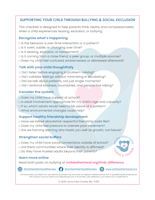
Bullying does not always look like name-calling or obvious cruelty. For children with limb differences, social harm often exists on a spectrum from subtle exclusion to hurtful “joking,” sometimes coming from close friends. This post explores bullying as a systems issue and explains why adult support matters.
Supporting a child through bullying or social exclusion requires balance. This post offers practical, developmentally informed guidance on how to talk with your child, when adult intervention helps, and how to strengthen friendships and social support over time.
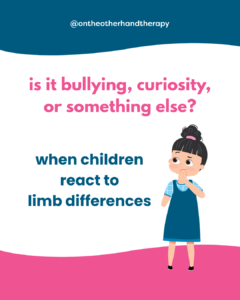
When a child stares, asks questions, says something hurtful, or touches your child’s limb difference, it can be hard to know how to respond. Is it bullying — or something else? This post helps you understand the difference between curiosity, social behavior, and true bullying, so you can support your child with clarity and confidence.
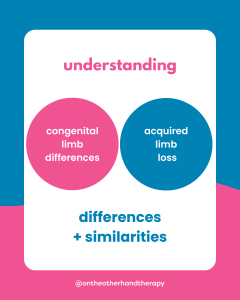
Language around limb difference and limb loss can feel confusing, especially when similar bodies are described using different words. This guide explains the differences between congenital limb difference and acquired limb loss, explores why terminology varies, and offers a thoughtful framework for using respectful, person-centered language.